The decrease of the estrogen hormone with menopause does not only cause complaints such as hot flashes; it also affects the tissues of the urinary tract and genital area. The whole of these changes is called the genitourinary syndrome. Frequent urination, burning, urgency, recurrent infections and local dryness are common in this period.
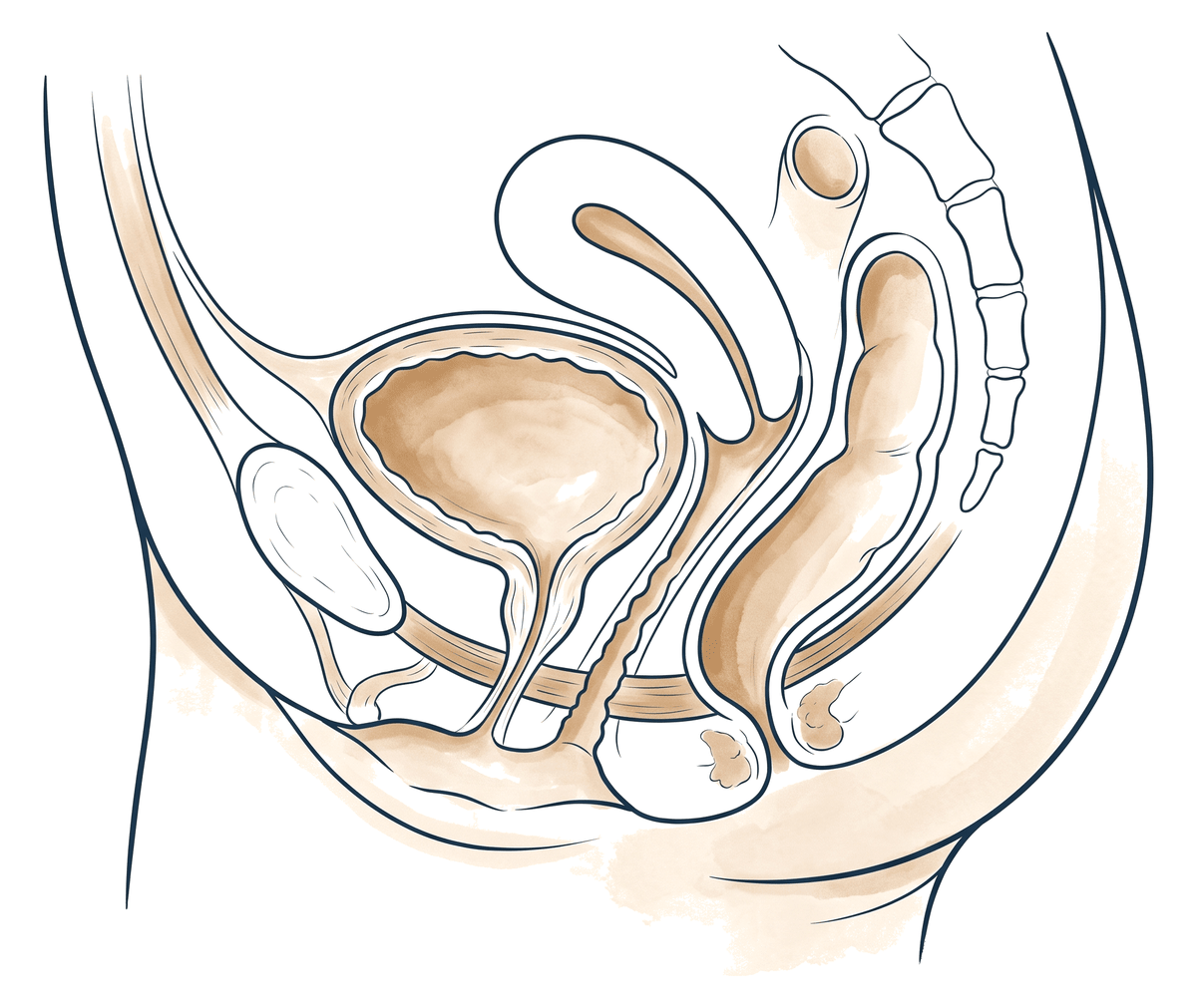
Why does menopause affect the urinary tract?
The bladder, urinary channel (urethra) and vaginal tissues are sensitive to estrogen. When estrogen decreases in menopause, these tissues thin, lose their elasticity and their defense balance changes. As a result, the urinary tract becomes more open to infections and irritation.
What are the symptoms?
- Frequent urination and a sudden, non-postponable urge to urinate
- Burning or discomfort on urination
- Recurrent urinary tract infections
- Local dryness, irritation or discomfort during intercourse
- An increase in urinary incontinence in some women
Although these complaints are common, they are not "normal" or inevitable. With the right approach, most women feel markedly better.
Relation to recurrent infections
The decrease of estrogen after menopause is one of the most common causes of recurrent urinary tract infections. For this reason, it is important to assess this condition in menopausal women who have frequent infections.
How is it diagnosed?
Diagnosis is made with the complaints, examination and a urine test. The aim is to distinguish whether the complaints are due to the genitourinary syndrome or another cause (infection, overactive bladder, stones).
Treatment options
- Local (vaginal) estrogen: In suitable women, low-dose local estrogen is effective in reducing complaints and recurrent infections by strengthening the tissues.
- Moisturizers and lifestyle: Local moisturizers, adequate fluids and regulating urinary habits.
- Treatments for bladder complaints: If there is urgency and incontinence, bladder training, pelvic floor exercises and, when needed, medication.
Treatment is planned individually; hormone-containing approaches in particular are chosen after assessing the personal history.
When should you see a doctor?
See a urologist if you have persistent urinary complaints in the menopausal period, frequently recurring infection or urinary incontinence. If blood in the urine or pain accompanies it, assessment takes priority.