An overactive bladder is a common condition that runs with a sudden, non-postponable urge to urinate (urgency), frequent urination and waking at night. Sometimes urinary incontinence accompanies it. Although it markedly reduces quality of life, it is nothing to be ashamed of and there are effective treatment options.
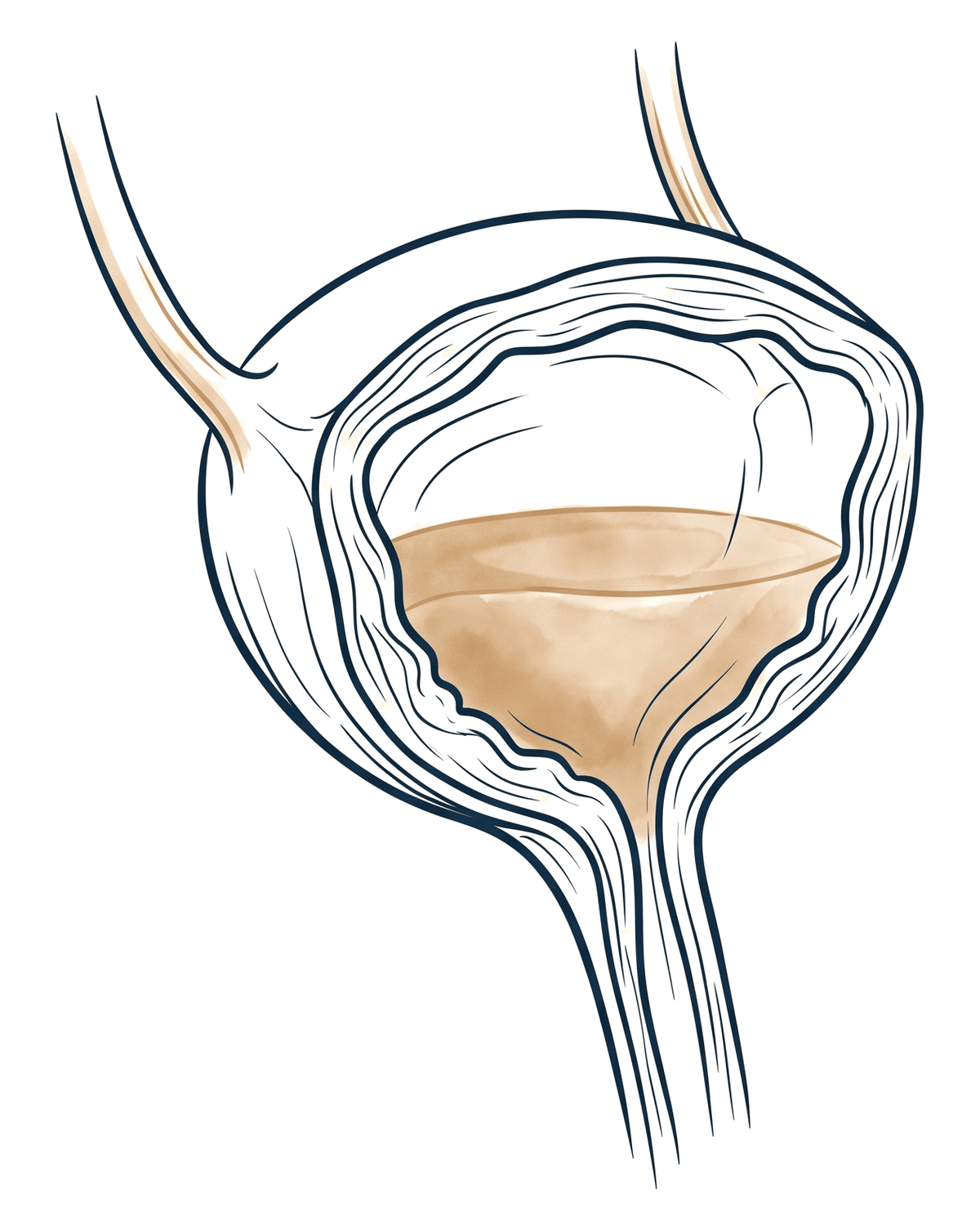
Types of urinary incontinence
- Urge type: Not reaching the toilet in time due to a sudden, strong urge to urinate. It is the typical symptom of an overactive bladder.
- Stress type: Leaking in drops during coughing, sneezing, laughing or lifting.
- Mixed type: The presence of both the urge and stress types together.
- Overflow type: Continuous leakage in small amounts as a result of incomplete bladder emptying (for example, in advanced prostate enlargement).
Why does it happen?
In an overactive bladder, the bladder muscle often contracts inappropriately early. Age, past infections, neurological conditions, prostate enlargement, caffeine and some drinks can trigger the picture. In women, childbirth and menopause play a role in the stress type.
How is it diagnosed?
Diagnosis is made with the complaints, a voiding diary, examination and a urine test. When needed, advanced tests such as ultrasound and urodynamics are used to assess bladder emptying.
Urinary incontinence is not an inevitable part of aging. Most patients feel markedly better with simple steps.
Treatment options
Treatment is stepwise and planned according to the individual:
- Lifestyle: Fluid and caffeine adjustment, weight control.
- Bladder training and pelvic floor exercises: The first and effective step in most patients.
- Medication: Drugs that reduce the excessive contraction of the bladder muscle.
- Advanced options: In selected patients where an adequate response is not obtained, bladder Botox application or nerve stimulation (neuromodulation).
In the stress type, pelvic floor exercises come to the fore; surgical options are considered when needed.
When should you see a doctor?
If the complaints affect your daily life, sleep or social life, see a urologist. If sudden-onset leakage, blood in the urine or pain accompanies it, assessment takes priority.