Although benign prostatic hyperplasia (BPH) may look like a single disease, every patient's picture is different. While simple follow-up is enough for some, surgery is the most appropriate option for others. This guide explains the path from symptoms to the treatment decision in a plain framework.
Step 1: Recognize the symptoms
BPH symptoms are called "lower urinary tract symptoms" (LUTS) and fall into two groups:
- Obstructive symptoms: Weak urine flow, delay in starting, stop-start voiding, a feeling of incomplete emptying.
- Storage symptoms: Frequent urination, waking at night (nocturia), sudden and non-postponable urgency.
The internationally accepted IPSS questionnaire is used to measure the severity of complaints. This score is an important starting point in the treatment decision.
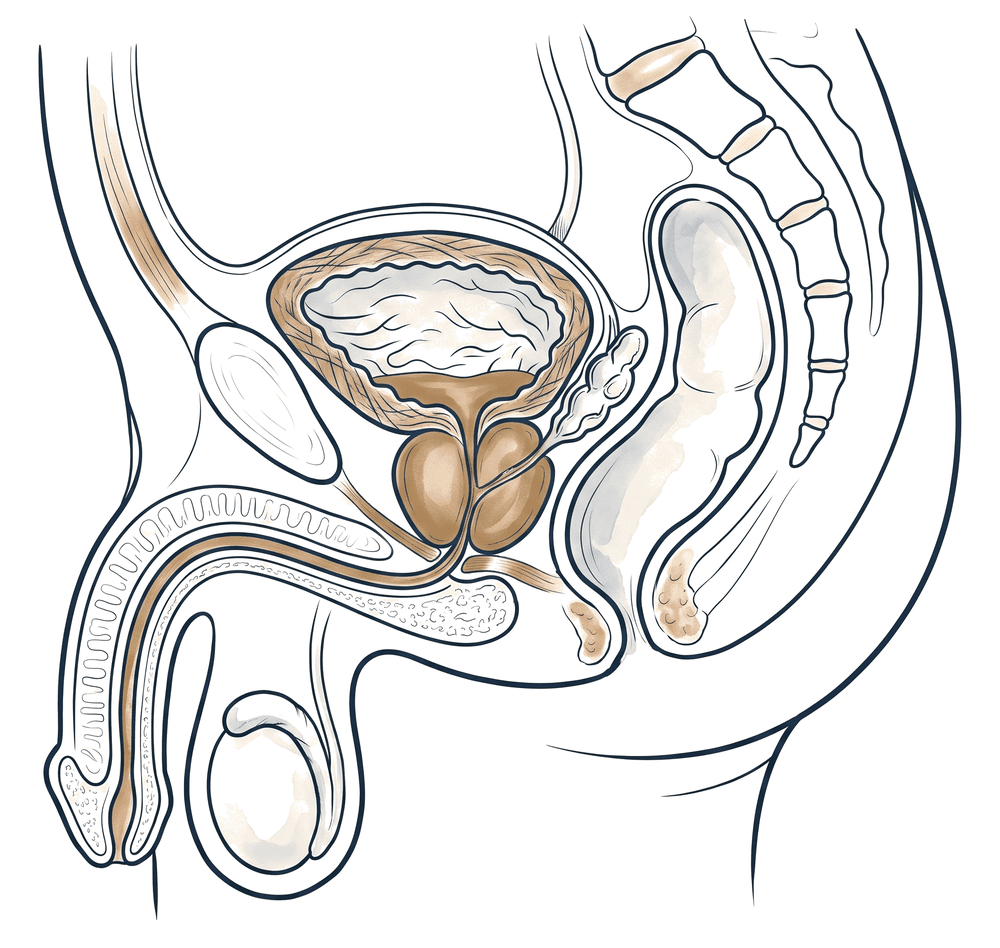
Step 2: The right assessment
The treatment decision is never based on complaints alone. Assessment usually includes:
- IPSS score and a quality-of-life question
- PSA — to review prostate cancer
- Uroflowmetry — measuring urine flow rate
- Ultrasound — prostate size and post-void residual urine
- Digital rectal exam — the consistency and structure of the prostate
When these data come together, it becomes clear whether the complaint really originates from the prostate and how far it has progressed.
Step 3: Treatment choice
Mild complaints → Follow-up and lifestyle
If the IPSS is low and quality of life is not seriously affected, treatment may not be needed right away. Fluid management, reducing caffeine and alcohol, restricting fluids in the evening and regular check-ups are often enough.
Moderate complaints → Medication
When complaints begin to impair quality of life, medications come into play. Drugs that relax the prostate muscles provide quick relief, while drugs that shrink the prostate are effective in the long term in large prostates. However, medications do not resolve the prostate permanently; when stopped, the complaints return.
Non-response to medication, large prostate or complication → Surgery
Surgery stands out in the following situations:
- Complaints continuing despite medication
- A large prostate (especially over 80 ml)
- Recurrent urinary tract infections or bladder stones
- Bleeding, urinary blockage (retention) or effects on kidney function
In surgery, the options are determined by the prostate size and expectations: Rezum, which preserves sexual function in small-to-medium prostates, and HoLEP, which gives a lasting result at any size, stand out.
The right treatment is not the newest method; it is the method most suited to your picture.
Step 4: Make the decision together
In BPH treatment there is rarely a "single right answer." Your sexual function expectations, your daily life, your general health and your preferences are all part of the decision. A good process involves discussing the options openly — with their benefits and possible effects — and making the decision together with you.
When should it not be delayed?
If there is blood in the urine, sudden inability to urinate, recurrent infection or severe, progressively increasing complaints, do not postpone the assessment. Early assessment means both easier treatment and peace of mind.